







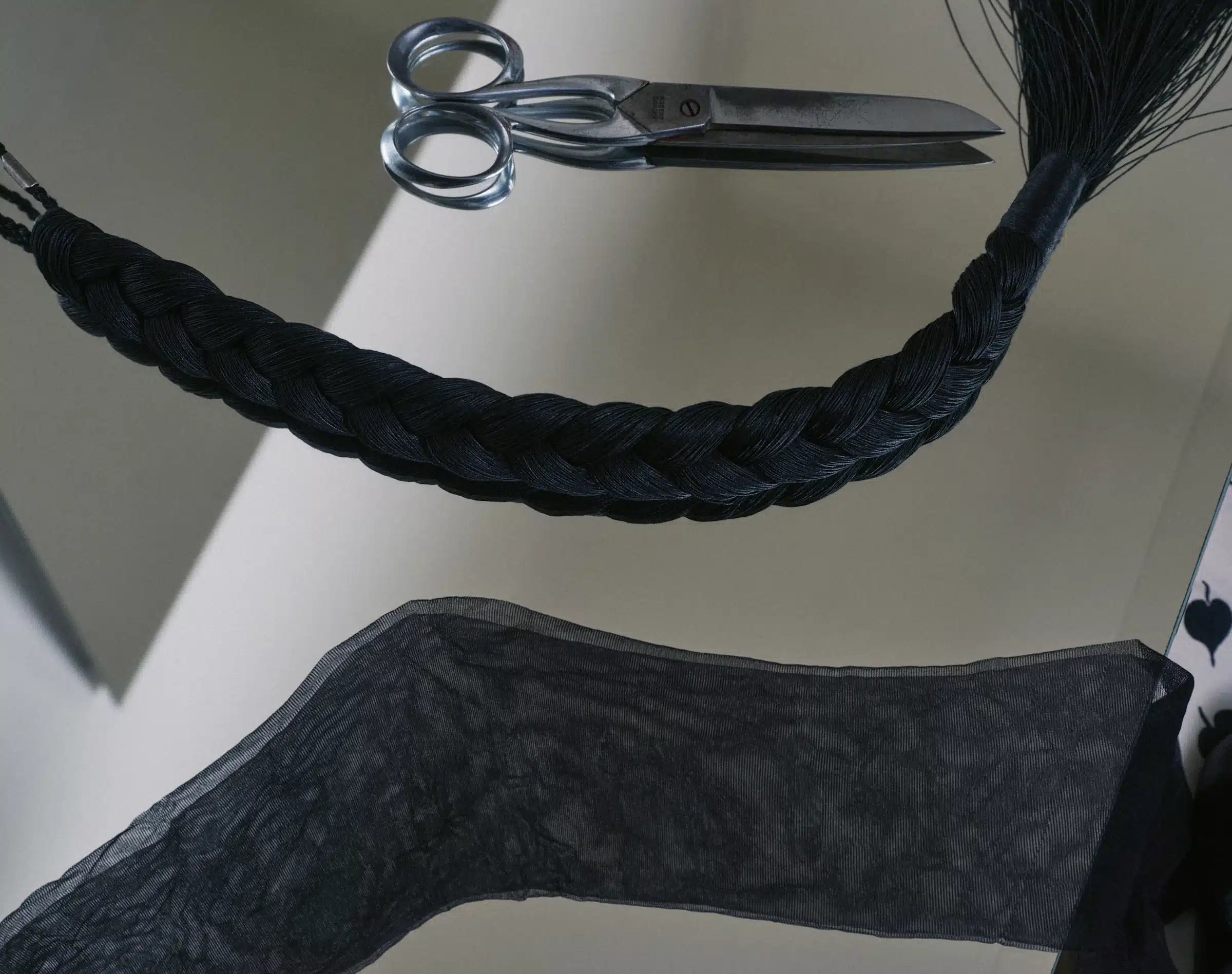
BAD HAIR DAY: Over the weekend, Lemaire found itself at the center of a controversy in China related to the launch of its inaugural olfactory collection.
The brand’s campaign ignited a backlash due to various editorial images, including one that depicted a model engaging with a Qing Dynasty-inspired long braid of hair. Other images included a still-life of the braided piece next to scissors and another hanging above a button-down shirt.
Critics on Chinese social media expressed concerns over the brand’s use of these culturally significant symbols, with many labeling the editorial direction as “spooky.” One notable comment from the platform Xiaohongshu stated, “As a longtime fan of Lemaire, I was disappointed to see the braid accessory displayed in such a manner, especially beside scissors. Always listen to your instincts when you encounter cultural representations that make you uncomfortable,” shared a user known as @crossingnote.
The same user questioned the brand’s decision not to consult a local Chinese expert, highlighting the disconnect between Lemaire and the cultural sensitivity required for such imagery. Their posts garnered over 11,000 likes across Xiaohongshu and TikTok by the time this article was published.
The incident spread rapidly following the campaign’s debut. In response to the growing backlash, Lemaire disabled the comment sections of its Instagram posts and deleted related content from both Instagram and Xiaohongshu.
Despite these reactions, the scent diffuser—a handwoven linen product that emits notes of dry hay intertwined with deep amber—is still available for purchase on Lemaire’s official website.
Notably, the visual motifs of the “Objets Senteur” campaign seem to echo Lemaire’s previous collection celebrating the Chinese New Year of the Horse, which also featured braided horsehair designs. That earlier campaign encountered similar discontent, with one commenter likening its imagery to ghost stories from Hong Kong.
In light of the recent criticism, Lemaire released a public statement acknowledging the concerns about the braid imagery from the Objets Senteur collection. “We sincerely apologize for any discomfort it may have caused,” the statement read.
The brand explained that the piece, intended for fragrance, was developed with an exploration of materials and textures in mind. However, they admitted that the context of its presentation had not been adequately considered, resulting in discomfort among viewers.
Lemaire emphasized their commitment to cultural respect and understanding, reiterating that it was not their intent to offend or reference specific cultures. “We must exercise greater awareness regarding how our creations may be perceived, especially given diverse cultural sensitivities,” they said.
The brand also shared a similar apology on its Instagram Stories, which are inaccessible in China, prompting further criticism as the message would disappear after 24 hours.
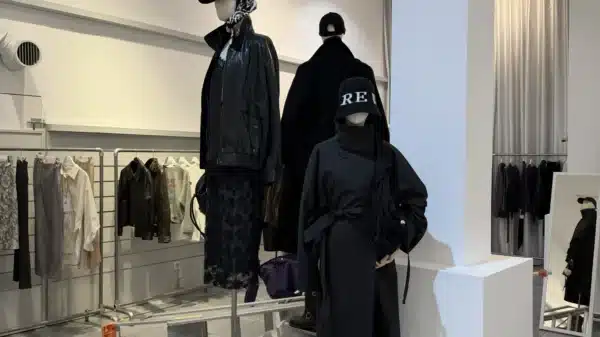
This controversy surfaces at a significant time for Lemaire, as the brand intensifies its focus on the Chinese market with the recent opening of its largest flagship store in Shanghai.
Diverging from the trend of most international brands that favor Shanghai or Beijing for their launches, Lemaire opted for Chengdu Taikoo Li to debut in China, positioning the store as a testing ground for their offerings. Industry reports indicate that the Chengdu location achieves average monthly revenues around 7 million renminbi, equivalent to approximately $1 million.
In summary, Lemaire’s recent misstep serves as a reminder of the vital importance of cultural sensitivity in global fashion marketing. As brands continue to expand their footprint internationally, engaging with local cultures authentically and thoughtfully becomes essential for successful brand positioning and customer acceptance.