


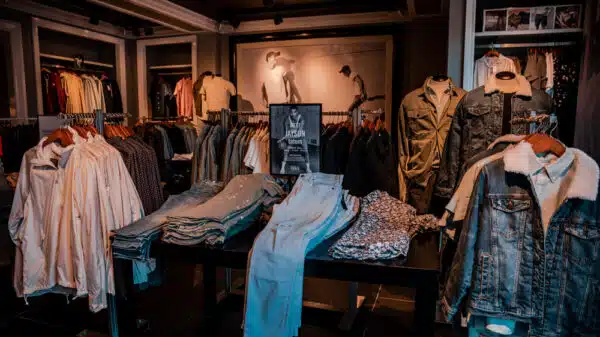




Despite a complex landscape of economic pressures, the United States retail sector continues to demonstrate remarkable endurance. Recent data and market analysis released on Monday suggest a cautiously optimistic outlook for summer spending and the upcoming second-quarter financial reports, with many major retail players scheduled to disclose their performance later this month.
While global concerns—including fluctuating oil prices, environmental challenges like wildfires, and ongoing geopolitical tensions—have weighed on consumer sentiment, spending patterns remain robust. This resilience is fueled by several factors: strategic price promotions by retailers, a high-performing stock market, and significant operational refinements within the industry. Additionally, a persistent post-pandemic appetite for travel and local outings, combined with the excitement surrounding the World Cup and early preparations for the U.S. 250th anniversary, has provided an extra boost to the market.
Analysis of July Retail Sales Performance
According to the CNBC/NRF Retail Monitor, retail sales in July maintained a steady growth trajectory. Excluding automotive dealers and gasoline stations, sales rose by 0.32% on a seasonally adjusted month-over-month basis. When compared to the previous year, the figures show a 5.15% increase. While these numbers are slightly more moderated than the gains seen in June, they reflect a consumer base that remains active despite broader economic fluctuations.
Core retail sales—a metric that excludes restaurants along with auto and gas sectors—saw a 0.3% month-over-month rise and a 4.72% year-over-year jump. This indicates that while households are becoming increasingly budget-conscious, they are strategically utilizing midsummer sales and early back-to-school marketing campaigns to maximize the value of their spending. Retailers have responded by prioritizing affordability to keep essential goods within reach for American families.
Revival of Physical Retail and Mall Traffic
In-person shopping experiences showed significant strength in July. Data from Placer.ai highlights a consistent rise in mall foot traffic across various formats. Open-air shopping centers led the growth with a 5.1% year-over-year increase, followed by indoor malls at 4.3% and outlet malls at 0.5%.
Perhaps more importantly for retailers, the duration of these visits is also on the rise. After a period of decline that started earlier this year, July saw a reversal in the trend. Indoor malls experienced the most significant gain in dwell time, with a 2.7% increase, suggesting that shoppers are engaging more deeply with the physical retail environment rather than just making quick trips.
Financial Outlook for Retail Giants
Analyst reports from TD Cowen suggest a varied performance among the nation’s largest retailers. While Walmart continues to capture market share in the grocery sector and leverage higher-margin revenue streams to maintain profitability, there are questions regarding whether it will meet the 4% comparable store sales gain projected by some analysts. Conversely, BJ’s Wholesale Club is expected to exceed expectations with healthy comparable sales and earnings per share.
For Target, the path to a full turnaround hinges on the recovery of discretionary categories. Analysts point to apparel and home goods as vital sectors for the company’s growth. Although underlying traffic trends are positive, Target faces the challenge of lapping strong performance from the previous year while navigating a landscape where the initial boost from tax refunds has largely dissipated.
Strategic Growth in the Fashion and Intimates Sector
The fashion industry, particularly in the intimates category, is seeing signs of a successful pivot. Morgan Stanley’s latest reports on Victoria’s Secret express confidence in the brand’s long-term turnaround. The company is actively modernizing its physical footprint through a “store of the future” program and addressing consumer demands for better comfort and value positioning.
To remain competitive against off-price retailers, experts suggest that a more robust promotional strategy may be necessary. However, the brand’s existing infrastructure and updated store experiences are viewed as significant competitive advantages in the current market.
Economic Stimulus from Major Sporting Events
The World Cup provided a localized but notable boost to the economy. Bank of America’s transaction data showed that spending in host cities climbed roughly 5% year-over-year during the tournament. This growth was largely driven by non-local visitors, who increased their spending by over 17%. The hospitality sector, including restaurants and bars, was the primary beneficiary. While the overall impact on the national GDP was modest, the event provided a significant injection of revenue for specific urban hubs through mid-July.
Investor Sentiment and Inventory Management
As the second-quarter earnings season progresses, market analysts are closely watching inventory levels and operational costs. Guggenheim Securities noted that while many companies reported growth in sales and gross margins, rising selling, general, and administrative (SG&A) expenses have led to varied stock price reactions.
A notable trend is the widespread reduction in inventory levels. Some retailers are facing difficulties in achieving optimal stock balances for the coming months, a factor that could impact future performance. Investors remain cautious as the industry begins to compare its current results against the exceptionally strong second half of the previous year. Moving forward, the focus will be on retailers who can drive organic growth and traffic gains rather than those relying solely on price increases.
Final Thoughts on the U.S. Retail Outlook
The current state of U.S. retail is defined by a delicate balance between consumer caution and resilient spending. While macroeconomic headwinds persist, the combination of aggressive summer promotions, a recovery in mall traffic, and strategic brand turnarounds has kept the industry on an upward path. As retailers move into the latter half of the year, the ability to manage inventory effectively and capture the interest of budget-conscious yet active shoppers will be the defining factor for success in a competitive marketplace.