












Walking into Target often leads you beyond the basic necessities on your list. You might arrive seeking toilet paper, but leave with chic gold hoop earrings, a cozy throw blanket, and a whimsical pink coffee mug. This phenomenon, known as the “Target effect,” shows how easily a straightforward shopping trip can transform into an unexpected haul. Business strategist Nina Lato describes this as the moment when your shopping list becomes merely a suggestion.
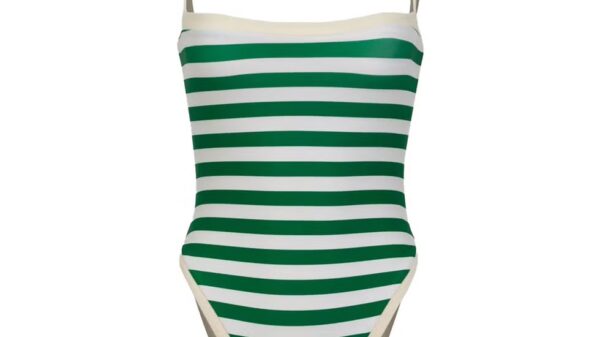
“Target excels at turning a simple trip into a spree of ‘must-haves,'” Lato explains. While you might not genuinely require that faux olive leaf or trendy swim top, these items can feel enticing as you navigate the store. Perhaps it’s a markdown or the fear of missing out on a rare find that draws you in. This is a classic showcase of the subtle power of the Target effect.
Interestingly, this retail tactic isn’t unique to Target. Stores such as Trader Joe’s, Costco, and Aldi employ similar strategies that trigger the same urge to overspend. They expertly extend your time spent inside and entice you to depart with more than you intended to buy.
In the sections below, Lato unpacks the Target effect and shares insights about why it captures so many wallets, along with tips to avoid overstretching your budget during your next visit.
Understanding the Target Effect: What Is It and How Does It Work?
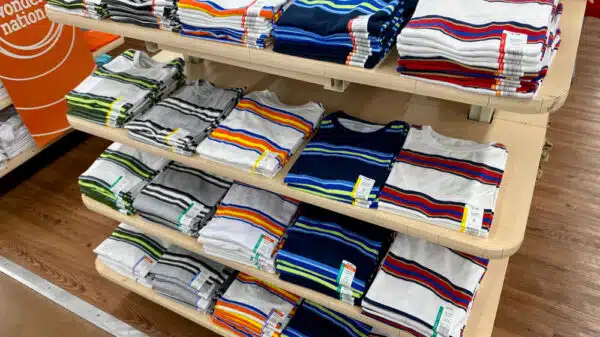
The Target effect refers to that moment of walking into a store with the aim of picking up one or two items, only to leave with a cartful. This effect is particularly prevalent at a one-stop shop like Target, which features a variety of products from clothing and accessories to snacks and home decor.
But why does this approach succeed? Lato attributes it to “brilliant and strategic retail plans incorporated into one space.” This includes engaging store layouts that guide shoppers throughout, strategic placement of products to catch your eye, and a wide selection that encourages casual browsing.
“Target excels at turning a simple trip into a spree of ‘must-haves.’
Have you considered why household essentials are always located at the back of the store? This layout is deliberate. By directing you past other tempting sections, like women’s fashion or home decor, Target heightens the chance that something will catch your attention before reaching your original goal, as Lato points out.
Another enticing section is the clearance aisle, known for its siren call to bargain hunters. Here, you might find yourself rationalizing a purchase as an essential save, feeling justified in your buy. “This transforms these items into perceived needs or perfect gifts for others,” Lato notes.
The ever-tempting “Bullseye’s Playground” at the store’s entrance is another draw. This area displays affordable seasonal treasures that make you want to brighten your home or surprise your kids. Lato emphasizes that these aren’t just distractions, but gems waiting for you to explore. Even if you start with one small purchase, it can open the door to more spending, a clever tactic executed by Target’s retail designers.
Let’s not overlook the inviting ambiance of Target. The bright, clean environment, complemented by a Starbucks, transforms shopping into a delightful experience. Each moment spent in Target with a warm beverage can subtly influence your spending habits.
Strategies to Combat the Target Effect
While the allure of Target offers many tempting treats, understanding this effect helps safeguard your finances. Here are effective strategies to help you resist overspending during your trips.
Consider shopping online for essential items. Lato advises that this approach lets you stick to your list without stepping into the store. Target provides efficient curbside pickup, bringing your ordered items directly to your vehicle.
You can also bring a specific amount of cash into the store, leaving your credit card behind. This practice fosters mindfulness about your spending. (Just avoid falling into extremes with cash stuffing.)
Lastly, practice purposeful focus. Try to bypass sections of the store that might entice you, particularly the cosmetics aisles, while remaining objective. If you do stray, redirect responsibility to the Target effect, not your willpower.