










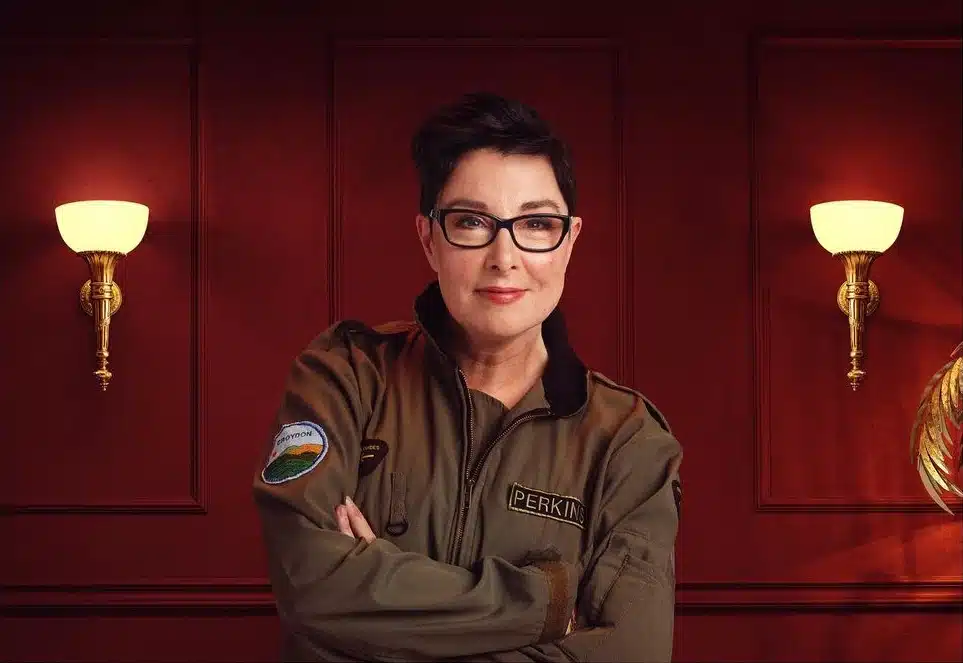
Broadcaster Sue Perkins has opened up about her reflections on not having children, offering candid thoughts on the kind of mother she might have been. She also discusses the pituitary tumour that caused her infertility and her initial struggles to advocate for herself during the medical diagnosis process.
Appearing on Elizabeth Day’s How To Fail podcast, Sue answered questions about missing out on motherhood. Acknowledging her feelings honestly, she shared that she occasionally wonders about it, noting that she likely would have been a deeply affectionate and fun-loving parent.
Sue also reflected on the anxieties that she believes would have come with parenting. Observing her young niece while running sparked a strong wave of protective worry, giving her a tangible glimpse of how deeply anxious she might have been as a mother.
Despite not experiencing motherhood firsthand, Sue expressed a sense of resolution regarding her path. Embracing her role as a dedicated aunt and godparent, she shared that while it requires moments of quiet reflection, she has ultimately found acceptance.
Understanding the Diagnosis and Hormonal Impact
Sue was diagnosed with a benign pituitary tumour known as a prolactinoma in 2007, though she did not share the news publicly until 2015. The condition alters hormone levels, impacting memory, concentration, and reproductive health. Describing the condition as complex, she noted that navigating the endocrine system presents ongoing challenges.
Following her diagnosis, Sue recalled medical professionals making assumptions about her fertility based on her relationship status, overlooking the broader personal implications. Looking back, she expressed regret over not advocating for herself or questioning why her treatment options were limited at the time.
Reflecting on the barriers tied to background and systemic factors, Sue noted how easy it is to passively accept medical pronouncements in the moment. Consequently, she endured years of intense neurological and hormonal disruption.
She later discovered independently that the tumour depleted her dopamine levels and that appropriate medication could have alleviated her symptoms. Upon seeking a second opinion, she learned that effective treatments had been available all along, which could have significantly altered her experience of early menopause.
Ultimately, Sue’s journey highlights the importance of self-advocacy in healthcare, navigating life’s unexpected turns, and finding peace with the path less traveled.