







The current iteration of the French Open has proven to be an unpredictable affair, marked by a series of high-profile upsets that have dramatically cleared the path for veteran contenders. With notable names like Jessica Pegula, Elena Rybakina, Jasmine Paolini, and Taylor Fritz already sidelined, the draw has opened up significantly. The departure of Ben Shelton, Daniil Medvedev, Stefanos Tsitsipas, and Jannik Sinner further reshapes the tournament’s trajectory, leaving Novak Djokovic and Alexander Zverev in a powerful position to advance. Meanwhile, the absence of Carlos Alcaraz—who is currently recovering from a wrist injury that has sparked significant discussion across social media platforms—remains a major talking point for fans and analysts alike.
Court-Side Style and the Evolution of Tennis Commentary
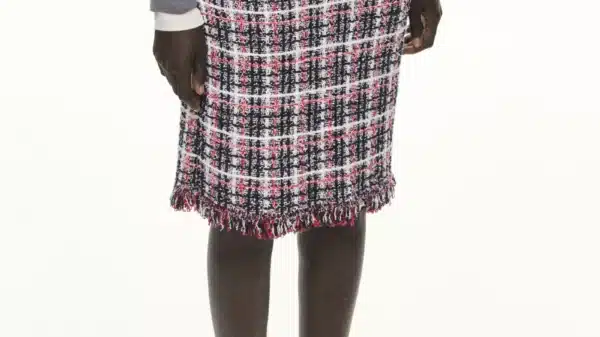
Amidst the competitive shifts, Naomi Osaka continues to be a standout figure, particularly regarding her influence on tennis fashion. Her presence in the tournament has been long enough to showcase multiple custom court designs, including her signature layered skirts that blend high-performance athletic wear with avant-garde aesthetics. However, the media coverage surrounding these moments has faced criticism. Broadcasters on the TNT and HBO Max desk have been called out for underwhelming analysis, specifically regarding forced metaphors. A recent attempt to coin the phrase “Net Gala” in reference to Osaka’s style fell flat among enthusiasts, as it lacked the contextual relevance of an actual fashion event. For many, the intersection of high fashion and tennis is better exemplified by icons like Venus Williams, whose anticipated Lacoste collaboration for future gala appearances sets a much clearer standard for the “fashion meets sport” narrative.
Physical Resilience in the Face of Rising Temperatures
Beyond the brackets and the branding, the physical toll of the tournament has become a central theme. The departure of world No. 1 Jannik Sinner served as a sobering example of how environmental factors are impacting elite performance. Despite a commanding lead where he won the first two sets and looked poised for victory, Sinner succumbed to severe cramping. The sudden physical decline led to him losing 18 consecutive points, effectively ending his run at Roland Garros. This incident highlights a growing concern within the sport: the impact of rising global temperatures on athlete health and stamina.
Adapting to the Changing Climate of Professional Sport
Sinner’s struggle is not an isolated event, as multiple players have grappled with the intense heat of recent tournaments. As the clay-court season becomes increasingly grueling due to sweltering conditions, the physical demands on the players are reaching a breaking point. For those currently battling the elements in Paris, the prospect of the grass-court season—historically associated with cooler temperatures and the occasional rain delay at Wimbledon—is beginning to look like a much-needed reprieve from the punishing sun.
Conclusion: A Tournament Defined by Endurance and Transformation
This year’s French Open is a testament to the evolving nature of professional tennis, where physical endurance and stylistic expression are just as vital as technical skill. As the tournament progresses without several of its brightest young stars, the focus shifts to how the remaining veterans will navigate the dual challenges of intense competition and a changing climate. From Osaka’s fashion-forward influence to the grueling reality of heat-induced exhaustion, Roland Garros continues to offer a compelling, if chaotic, look at the state of the modern game.