








Singer Alanis Morissette has spoken very candidly about her incredibly challenging experience with postpartum depression.
The Jagged Little Pill star has three children with her husband husband, Mario “Souleye” Treadway, Ever, 15, Onyx, 10 and seven-year-old Winter.
She refers to what happened to her after the birth of her children as “postpartum activity.” Speaking to host Alex Cooper during an appearance on the Call Her Daddy podcast, Alanis explains, “It’s not just depression.”
Latest Videos FromWoman & Home
She continues, “From my experience, each postpartum experience gets increasingly harder.” However, she wanted to be a mother so much that she had more children after her first experience of postpartum depression.
“I just wanted to meet my kids so badly, so I kept going,” she says with honesty, although did hope that it wouldn’t happen with each subsequent pregnancy.
Recalling how the depression made her feel, the singer says, “Basically, I became another person.”
She continues, “All the hormones are all over the place, so there’s some version of menopausal flux combined with depression.”
Alanis also experienced “invasive thoughts that are so harrowing,” and felt “ceaseless” and “terrible.” Other emotions she felt were anxiety and rage that were “off the charts.”
Trying to give an understanding of just how it felt, she shares, “I felt completely out of control.” Yet at the same time, she was touring, working and “taking care of finances and everything,” while trying to manage such a difficult condition.
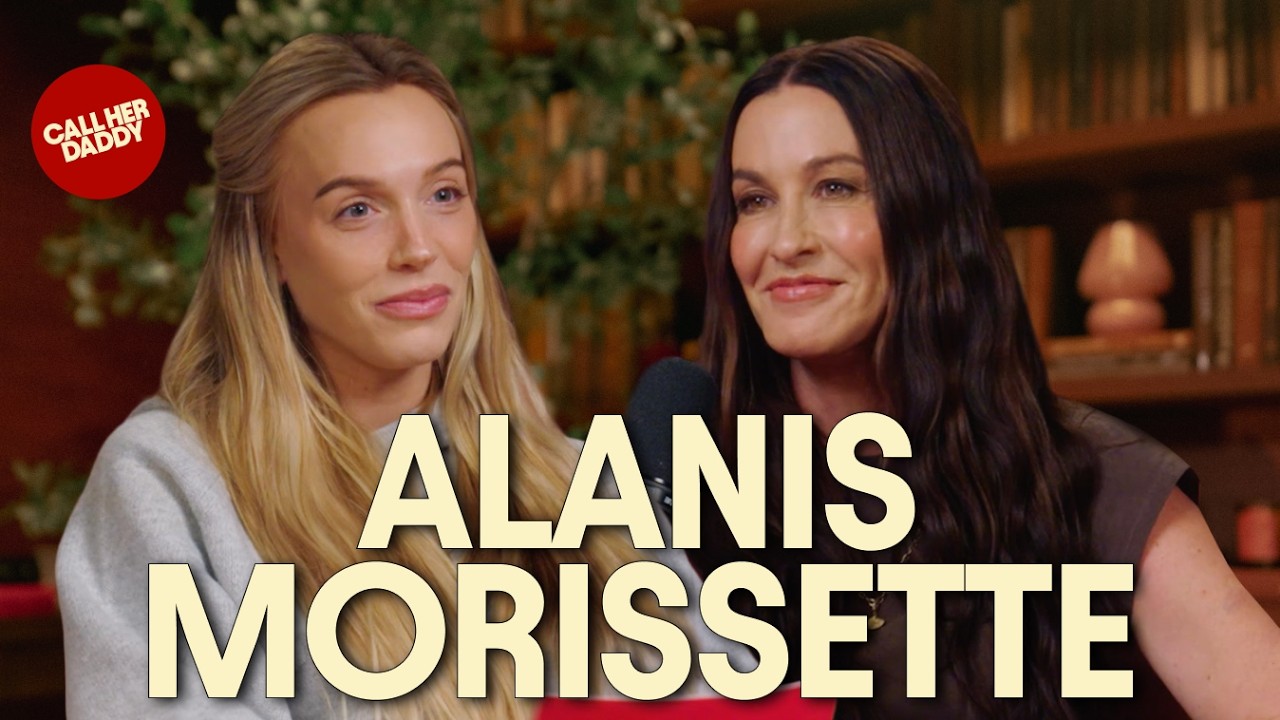
When asked how she made sense of her symptoms when she first began to notice them, Alanis recalls feeling let down. One therapist even advised her to just put her hands over her eyes “when things get bad.”
After her first child, the singer delayed getting help, choosing instead to “white knuckle it out.”
She waited one year and two months after her first birth to ask for help, eight months after the second, and three days after her third birth – by her third baby, she knew “I’m not doing this again” and got help quickly.
Still working after each child, Alanis recalls that at some points, “I dipped into psychosis, it was a wild ride.”
The star has experienced bouts of depression for most of her life, and says she could manage that aspect of her postpartum activity.
The most challenging parts were “the invasive thoughts and the terror.” She explains, “All I could picture was death and terrible things. I was losing people’s trust in my sanity – that’s a bummer.”
Asked what she’d learned about the mindset of waiting before asking for help, Alanis says, “Gen X does it, and women do it – this invisible load – it’s not going to be invisible anymore, we’re making it visible.”
“Let’s name it,” she says enthusiastically, adding, “Even calling it invisible keeps it invisible. It’s the load.”
She has thoughts on how women can be better supported through their postpartum period. “We need to go back to how we used to live, which is honouring the female endocrine system as a spiritual practice,” she says.
She adds, “When a woman is with child, she’s surrounded by 30 women and they’re giving you broth, and they’re cleaning your home and they’re holding your baby and they’re holding you.”
However, instead of this happening, the singer believes women are left completely alone, become invisible, and are made to feel guilty for not be “aesthetically pleasing” fast enough after birth.