








Content Note: This article contains discussions regarding allegations of sexual assault and misconduct, which some readers may find distressing.
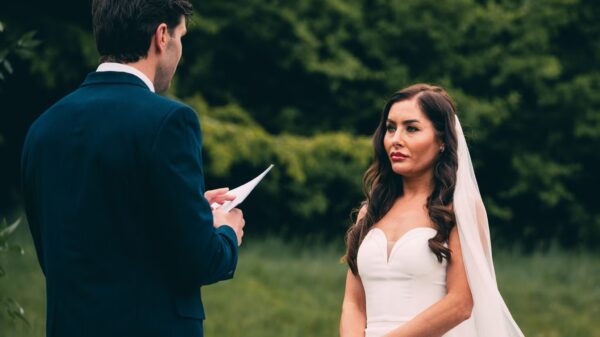
Channel 4 has officially moved to cancel the reality series Married at First Sight UK following serious allegations of rape made by former participants and the conclusion of an independent investigation. The broadcaster has confirmed that it will no longer produce or air the program, marking a definitive end to the controversial franchise on the network.
Serious Misconduct Allegations and the Removal of Content
The decision follows a turbulent period for the show, which began in May when Channel 4 took the unprecedented step of removing all previous seasons from its streaming service. This action was prompted by a BBC investigation into the experiences of women who participated in the series—a format where singles are matched by experts to “marry” a stranger upon their first meeting.
Reports emerged from two former contestants who alleged they were victims of rape during their time on the show. One woman detailed harrowing claims involving her on-screen husband, asserting she was subjected to sexual violence and threatened with an acid attack. Another participant claimed she was raped by her assigned partner and notified the network prior to the show’s transmission; however, her episodes were broadcast regardless. A third participant came forward with accusations of sexual misconduct, bringing the total number of public complaints to a critical level.
These testimonies were central to a Panorama documentary entitled The Dark Side of Married at First Sight. While the men accused in these reports have denied all allegations, the fallout prompted an immediate and thorough external review of the production’s safety and welfare standards.
Insights from the Independent Welfare Reviews
Following the Panorama broadcast, Channel 4 CEO Priya Dogra offered a formal apology, acknowledging the visible distress of the women involved and describing their accounts as deeply troubling. To understand where the production failed, two separate reviews were conducted.
The first review, led by the legal firm Clyde & Co, examined how Channel 4 handled the specific complaints. The summary indicated that while the broadcaster’s and production company’s (CPL) welfare protocols were generally in line with Ofcom’s broadcasting codes, there were “isolated incidents” where these safety frameworks were not fully utilized. The report suggested that the network should have performed more consistent, long-term evaluations across the series and recommended strengthening several aspects of the contributor welfare system.
The second phase of the review was conducted by Lorraine Heggessey, the former Controller of BBC One. Her assessment found that the existing welfare protocols for MAFS UK were highly detailed and met a high industry standard. However, she noted the unique psychological and physical risks inherent in the show’s specific format. Her conclusion stated that the series could theoretically continue if significant “enhancements” and format adjustments were made to better protect participants.
Final Cancellation and the Future of the Franchise
Despite the review suggesting that a safer version of the show could be produced, Channel 4 has decided to terminate the series permanently. This decision affects the upcoming sixth season, which was filmed earlier this year but will now be scrapped entirely. The broadcaster has confirmed there are no plans to return to the format in the future.
CPL, the independent production company, issued a statement regarding the closure of the program. They noted that the Heggessey review recognized their welfare protocols as a benchmark from which others in the industry have learned. CPL maintained that participant safety has always been a core priority and expressed their intention to continue their long-standing relationship with Channel 4 on different projects in the future.
Final Takeaway on the End of Married at First Sight UK
The termination of Married at First Sight UK serves as a significant turning point for the reality television industry, highlighting the evolving expectations for participant safety and ethical production. While the program was a major ratings driver for Channel 4, the severity of the allegations and the findings of the external reviews made its continuation untenable. This move reflects a broader industry shift toward prioritizing contributor welfare over entertainment value, ensuring that the “experiment” of reality TV does not come at an unacceptable human cost.