













Across the United States, eyebrow reconstruction has become one of the most in-demand and challenging areas of aesthetic work. Much of this demand is tied to medical realities. According to Breastcancer.org’s 2023 treatment effects overview, up to 90% of women undergoing chemotherapy experience noticeable eyebrow thinning, and about one-third report complete loss during treatment. The National Alopecia Areata Foundation (NAAF) estimates that 7 million Americans live with alopecia areata, an autoimmune condition that can affect eyebrow growth as much as scalp hair.
Meanwhile, the U.S. permanent makeup (PMU) industry has its own challenges. The American Academy of Dermatology reports increased PMU-related problems, including pigment changes, scarring, and poor healing. These issues are often tied to rushed training or fast-changing trends.
Amid medical hair loss and industry challenges, American brow artists are seeking more reliable, natural results. This is where Russian-born artist Olga Akhmetshina comes in. Her Daily Eyebrows technique, shared quietly rather than through flashy social media, is now influencing studios across the country.
A Method Made for Real Faces, Not Templates
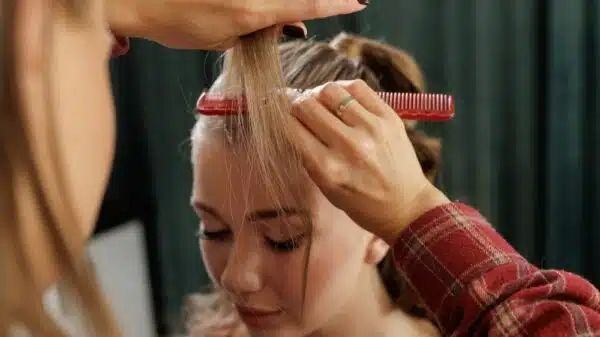
Akhmetshina’s method is not just another style. It is a structured system that considers the client’s bone structure, muscle movement, and facial expressions. She layers strokes so they heal gently and look natural on any skin type or age.
PMU Wizards reports that more American artists are seeking techniques that deliver personalized results, especially for clients with unique needs such as hair loss from chemotherapy, alopecia, hormonal changes, or prior permanent makeup. While microblading trends come and go, Akhmetshina’s system is gaining attention for addressing these real-life challenges. It offers predictable healing, a natural look, and flexibility to adjust for each client’s needs.
A Growing Shift in the U.S. Toward Reconstruction, Not Reinvention
For years, the American PMU industry focused on Instagram-style looks: bold changes, high-contrast brows, and dramatic effects. Now, clients across the country are asking for the opposite. They want softer, more realistic results. Most of all, they want their own brows back, not a trendy look.
This change is most obvious in studios that focus on correction and reconstruction. Artists there often help women finishing chemotherapy, clients who lost brows from autoimmune conditions, people with scars or pigment issues from earlier PMU treatments, and those whose brows were shaped with templates that no longer fit their faces.
Akhmetshina’s system gives these artists a way to rebuild brows that fit each person, rather than following a fashion trend.
A Karger report says the main goal of microblading is to restore the natural look of eyebrows. Akhmetshina’s approach appeals to American professionals because it focuses on artistic restoration and shares advanced techniques and case studies that address both beauty and long-term healing in the industry.
Her system directly answers ongoing questions in the American market:
- How do you design brows for someone with no natural hair left?
- How do you keep brows from turning into harsh shapes or unnatural colors as they age?
- How do you make brows that look like the client, not just the artist’s signature style?
- How do you work with skin that has been changed by treatment, inflammation, or repeated procedures?
Akhmetshina’s technique gives U.S. artists a practical and creative way to handle these challenges.
Reconstruction as a Step in Emotional Recovery
One study from 2011 shows that better emotional well-being can help people recover from and survive physical illness, highlighting how appearance changes matter during recovery. Many studies on cancer survivors, including those from the American Cancer Society and other support groups, find that facial changes like eyebrow loss are closely linked to lower confidence and social withdrawal during treatment.
A report on eyebrow reconstruction techniques notes that U.S. studios often serve as spaces where beauty treatments and personal healing intersect. Akhmetshina is known for her careful, realistic, and gentle approach, helping clients feel more like themselves again.
It is not therapy, but it often helps women rebuild their sense of self after medical challenges.
The Broader Impact: Raising Standards in a Fast-Growing Industry
As the U.S. PMU field changes, there is a growing need for structured, safe, and anatomy-aware practices. Akhmetshina’s work supports this shift by offering a method grounded in technical skill, respect for natural facial features, predictable long-term results, and flexibility for diverse clients and situations.
Without doubt, her method will continue to influence the next generation of brow artists, encouraging more thoughtful and responsible training.
In a beauty industry often focused on spectacle, her work stands out because it solves problems that go beyond looks.