















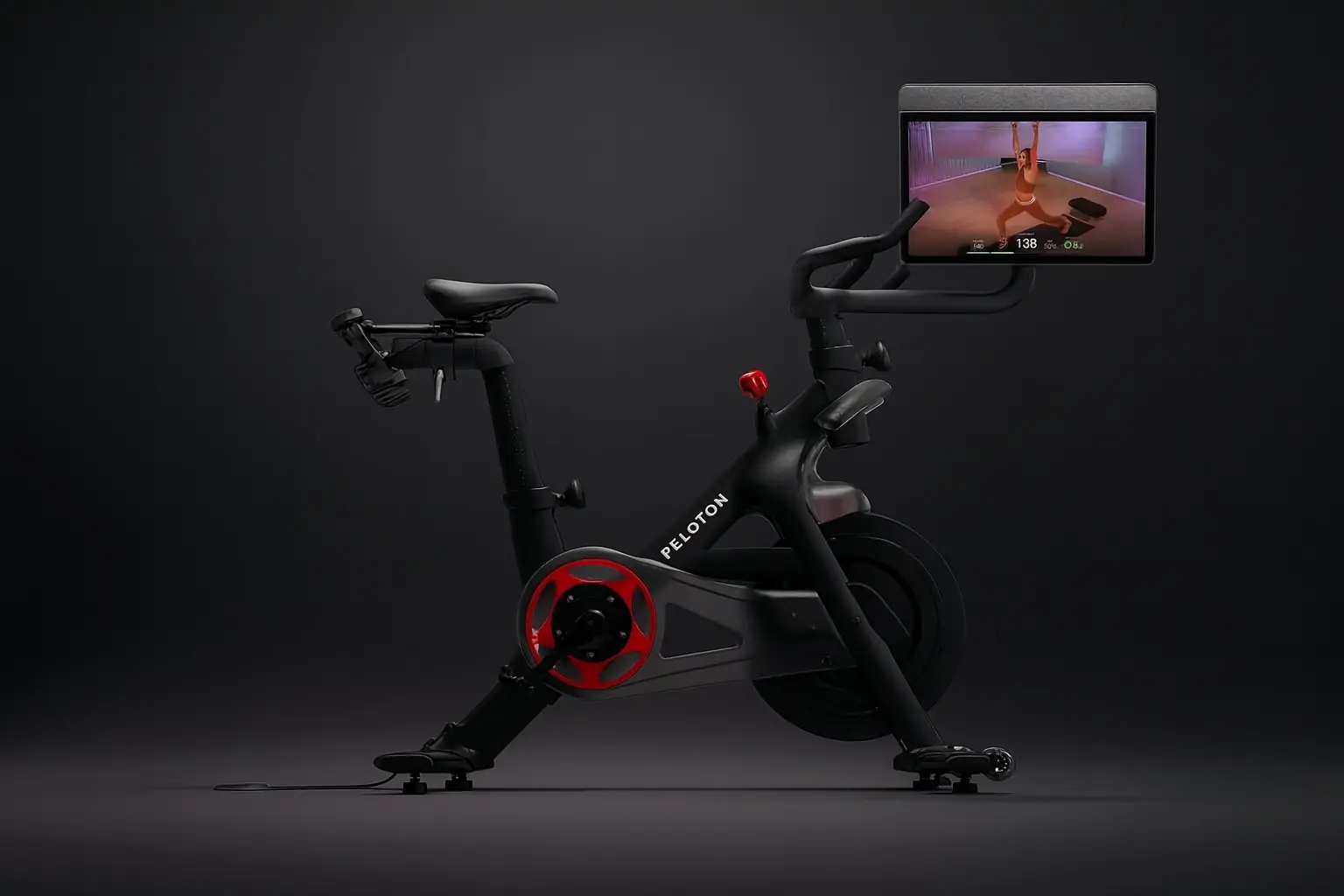
Peloton Interactive Inc. is navigating through a challenging landscape with its newly launched artificial intelligence-powered exercise equipment. This lineup, branded as the Cross Training Series, is intended to act as a catalyst for rejuvenating their sales, which have wilted recently.
As the news reports indicate, retail stores across the US, particularly Dick’s Sporting Goods and Johnson Fitness & Wellness, are witnessing only a limited response to Peloton’s latest offerings eight weeks post-launch. While there has been an increase in foot traffic from consumers eager to experience the upgraded treadmill and bike, this hasn’t yet translated into strong sales numbers, according to feedback from various managers.
Nonetheless, Peloton is optimistic that sales will pick up momentum as the holiday shopping season unfolds. According to insiders, the company is already rolling out Black Friday promotions, with discounts reaching as high as $1,500 on treadmill-and-accessory bundles. To meet anticipated demand, Peloton recently boosted the volume of imports compared to previous years, as revealed by data from ImportGenius.
A representative from Peloton chose not to comment on these developments.
Since the pandemic restrictions lifted, Peloton has battled a prolonged sales slump. The newly upgraded equipment, launched under fresh management, includes redesigned versions of the Bike, Bike+, Tread, and Tread+, along with a new Row+ that replaces the previous rowing machine. These machines come equipped with Peloton IQ, an AI platform that promises personalized guidance and coaching plans.
However, pricing remains a significant barrier. Peloton recently increased prices across its product range, with equipment costs rising by an average of 11% and subscription fees by about 19%. Analysts have shown concern that these hikes may deter new customers, especially given the prevailing economic conditions.
Data from Amazon indicates that around 50 units of the Bike+ Cross Training Series were purchased in the month leading up to mid-November. Peloton’s warehousing activity remained sluggish around the same time, according to an insider.
On a brighter note, post-launch Black Friday promotions have resulted in a significant uptick in sales on Amazon, reportedly surpassing 100 units. Additionally, traffic to Peloton’s website held steady on a year-over-year basis in October, a positive turn after a drop of 18% in September.
Typically, October represents a slower sales period for fitness equipment. However, activity tends to escalate in December, fueled by New Year’s resolutions. Peloton anticipates revenue for the holiday quarter will fall between $665 million and $685 million, roughly steady at the midpoint compared to the same period last year.
Neil Saunders, managing director at GlobalData, has noted that many consumers are navigating tighter budgets, with a focus on seeking out discounts. The challenge for Peloton continues: its pricing may lead many to opt for more affordable alternatives. Concerns linger about whether the AI features will resonate with the everyday consumer.
Chief Financial Officer Liz Coddington has pointed out that many shoppers undergo an extensive “consideration period” before deciding to invest in high-priced items. “This period can stretch considerably before a consumer commits to our premium-priced products,” she shared during a Citigroup conference in September.
Meanwhile, Chief Executive Officer Peter Stern, who joined Peloton earlier this year from Apple Inc., has disclosed plans to enhance marketing strategies aimed at educating consumers about Peloton IQ, emphasizing its importance as a key selling point.
Product safety considerations may also heavily influence shopper decisions. This month, Peloton initiated a voluntary recall affecting about 877,800 units of its premium Bike+ model in the US and Canada due to reports of seat post failures causing riders to fall. Although this recall does not impact the newly released models, it brings to mind a previous incident in 2023 when the company recalled over 2 million seats from its original Bike product.