









This weekend’s shopping frenzy turned out to be far from disappointing. Online sales soared, with US shoppers splurging a whopping $11.8 billion on Black Friday, as reported by Adobe Analytics. Beauty brands thrived during this period, benefiting from above-average discounts for Cyber Week, which saw makeup cut prices by 38% and skincare by 31%, compared to a modest overall average of 26%, according to Salesforce.
But it makes me wonder who the shoppers were really buying for. Liberty, the iconic London department store, revealed that many patrons were indulging themselves, particularly in the luxurious fragrance section.
I also joined the online shopping wave this weekend, mainly finding gifts for my son, who celebrates his fourth birthday today. Happy Birthday, my little dreamer Jack! I couldn’t resist picking up a few Todd Snyder sweaters for my husband and treating myself to a hat, platforms, and yes, some K-beauty products, which I’ll discuss here.
In this newsletter:
- A look into the “product-first” approach that K-beauty brands are adopting to achieve global success.
- Insights on Sephora’s decision to discontinue its supplement section, available exclusively in Full Coverage.
- My perspective on what defines quality brand merchandise, featuring Lady Gaga.
Understanding the “Product-First” Concept
First, let me mention my love for lip stains. I’m always searching for that perfect one. My top choice was a vibrant Vincent Longo shade that I cherished throughout my twenties. Though it’s long since vanished, I’ve sampled countless replacements — Benefit, Kat Von D, Wonderskin, E.l.f. — yet none come close, except perhaps Dior Addict in Natural Berry (771).
Recently, I stumbled upon Fwee, a South Korean makeup brand renowned for its viral and unique Pudding Pot blushes. (You can either apply it with your fingertips or use an applicator, but it springs back each time.) While shopping for toys last weekend, I couldn’t resist snagging four of Fwee’s Stay-Fit Lip Tints on sale for $8.99 each, down from $17 on Amazon. The brand is also available at Ulta Beauty and TikTok Shop.
I was pleasantly surprised by the lip stains. Rather than feeling dry or poorly pigmented (or glossy, which isn’t my style), these colors lasted all day, gave me an anime-like pout, and arrived in the cutest little flacon-style bottles. It’s the ideal blend of longevity and trendy aesthetics. My favorite shade? Tag Pink.
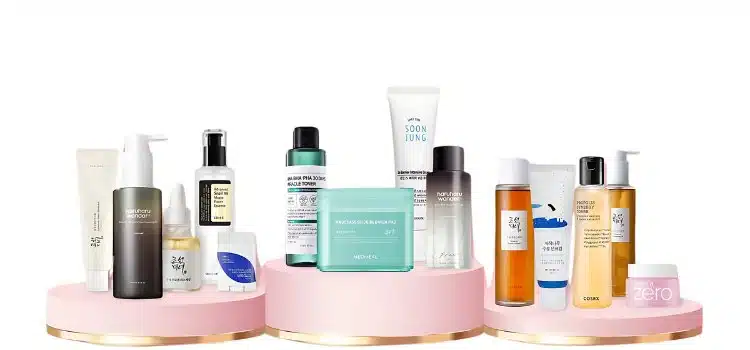
This second wave of K-beauty isn’t like the first surge we saw back in 2014, which was often overshadowed by gimmicks like panda bear lip balms and whimsical sheet masks. Today, true innovation is taking center stage. Take Beauty of Joseon’s incredible SPF formula or Anua’s powerful double-cleanser, not to mention Medicube’s advanced Booster Pro device. This meticulous focus on quality doesn’t mean sacrificing speed either. Insiders reveal that it typically takes K-beauty brands only two to four months to create new products, which is faster than E.l.f.’s already swift turnaround times.
The algorithm works in their favor. Unlike K-beauty’s previous boom during the 2010s, brands can now fuel their presence on Amazon and social media platforms before ever entering physical stores. (And let’s face it: the quirky product designs shine brighter on TikTok than Instagram. How could you showcase that delightful Pudding Pot bounce without TikTok?)
Historically, beauty brands (and many consumer goods) prioritized the brand itself — the compelling narrative, the community it fosters, its aesthetic. However, K-beauty has sparked a shift towards placing the product itself above the brand. For instance, Laneige’s Lip Sleeping Mask has cultivated a massive following, even if many shoppers don’t purchase additional Laneige items, and CosRx’s Snail Mucin essence remains a standout product everyone knows it for.
Retail spaces have adapted accordingly. If you step into Ulta Beauty (the one near me on 86th Street), you’ll notice that its K-beauty section doesn’t simply showcase one brand with an endless array of products. While Medicube and Anua do boast broader selections, brands like I’m From have only one shelf dedicated to their offerings. This indicates a trend where retailers selectively opt to invest in brands based on their viral potential.
Limited shelf space creates a unique dynamic, allowing consumers to dictate the winners, sometimes down to just one product. There’s no need to know Fwee’s founders or to be enchanted by a mythical shade — if you want a lip stain, that’s enough.
Sephora to Discontinue Supplements
After speaking with several insiders and examining Sephora’s website, where only a select few Nutrafol and Moon Juice items remain, the retailer has confirmed they are discontinuing their supplement segment.
Once a burgeoning category, peaking in the 2010s with brands like Hum, this decision aligns with broader trends in the wellness space. My initial foray into beauty and personal care emerged from covering niche segments — supplements, CBD, sexual wellness, and various wipes. Despite the allure of the trillion-dollar wellness industry, many consumer segments it inspired failed to materialize.
Although supplements continue to grow at stores like Target, the influx of new brands brings swift changes, with efficacy and safety concerns lingering. The absence of FDA regulation presents risks, especially amidst recent shifts within the agency. By focusing on its core product lines — cosmetics, fragrance, skincare, and hair — Sephora is making a more calculated decision.
The Allure of Unique Merchandise
There was once a time when practically every beauty brand would offer a branded sweatshirt, baseball cap, or bucket hat. I ended up collecting many of them. We still find ourselves in this trend, but some brands are stepping up their merchandise creativity.
This week, Haus Labs introduced its first merchandise drop, featuring a limited edition T-shirt showcasing 1970s actress, makeup artist, and Warhol muse Jane Forth. (Every shirt comes with a tube of the brand’s PhD Hybrid Lip Glaze in “Guava.”) Upcoming Haus Labs drops honor unconventional beauty muses throughout history, coinciding with the brand’s avant-garde marketing direction. Remember Lady Gaga’s memorable “We love foundation” campaign where she was covered in paint?
I appreciate the artistic flair of the brand, brought forth by chief brand officer Katharina Korbjuhn, who joined the team earlier this year. These T-shirts may not aim to become high-volume sellers, but they are undeniably cool. They evoke a nostalgic concert vibe, particularly as I’m into retro music, having just snagged a Stevie Nicks tee last week.
What I’m Reading
Ancient bathhouses in Budapest have become a summer staple—yet many are deteriorating. What lies ahead for the city and its bath enthusiasts? [The New York Times]
Inflammation has emerged as the newest concern in wellness. [The Cut]
Once exclusive to the most luxurious labels, world-building is now available to everyone. In our latest analysis, Liz Flora explores this shift. [The Business of Fashion]
Curious about men’s desires? The brands selling to them might have the answers. [The Wall Street Journal]
Thanks for reading. Until next time!