














2025 poised itself as a pivotal year for beauty mergers and acquisitions, showcasing significant transactions that caught the eye of industry insiders. From Rhode’s striking $1 billion sale to E.l.f. to Ulta Beauty’s acquisition of Space NK, and L’Oréal’s strategic move to bring Medik8 into its fold, the landscape was buzzing. Unilever also made headlines with its purchases of Dr. Squatch and the sales of Kayali and Phlur to General Atlantic and founder Mona Kattan, respectively. Yet, the overall momentum of the year felt surprisingly slow.
This disconnect stems from a reality check: while last year saw substantial deals, an overwhelming number of brands flooded the market. Conglomerates are tightening their portfolios, evident in moves from companies like ELC and Coty. Meanwhile, independent brands are proactively seeking the advice of financial institutions early in their trajectories.
There’s a debate over whether this early engagement is advantageous.
Consulting giants like Raymond James or Goldman Sachs certainly provides valuable insights into a brand’s market stance. However, it equally broadcasts a clear message: the brand is up for sale—there’s no denying that. It’s not unusual to receive frequent announcements about brands hiring financial advisors.
A seasoned investor reiterated that this practice has historically been a precursor to sale processes. Yet, with the current market saturation, employing such a strategy is more challenging. No one is inclined to pay top dollar for a property that’s lingered on the market for years; the same logic applies to brands.
Let’s address the competition: with numerous similar brands, particularly in the colour cosmetics sphere, it’s reasonable for strategic buyers to be selective. This selectivity lays a complex foundation for the upcoming year.
However, there remains a glimmer of optimism. Rather than dismissing potential investments, I consulted industry experts and pinpointed seven beauty brands that are capturing the attention of buyers.
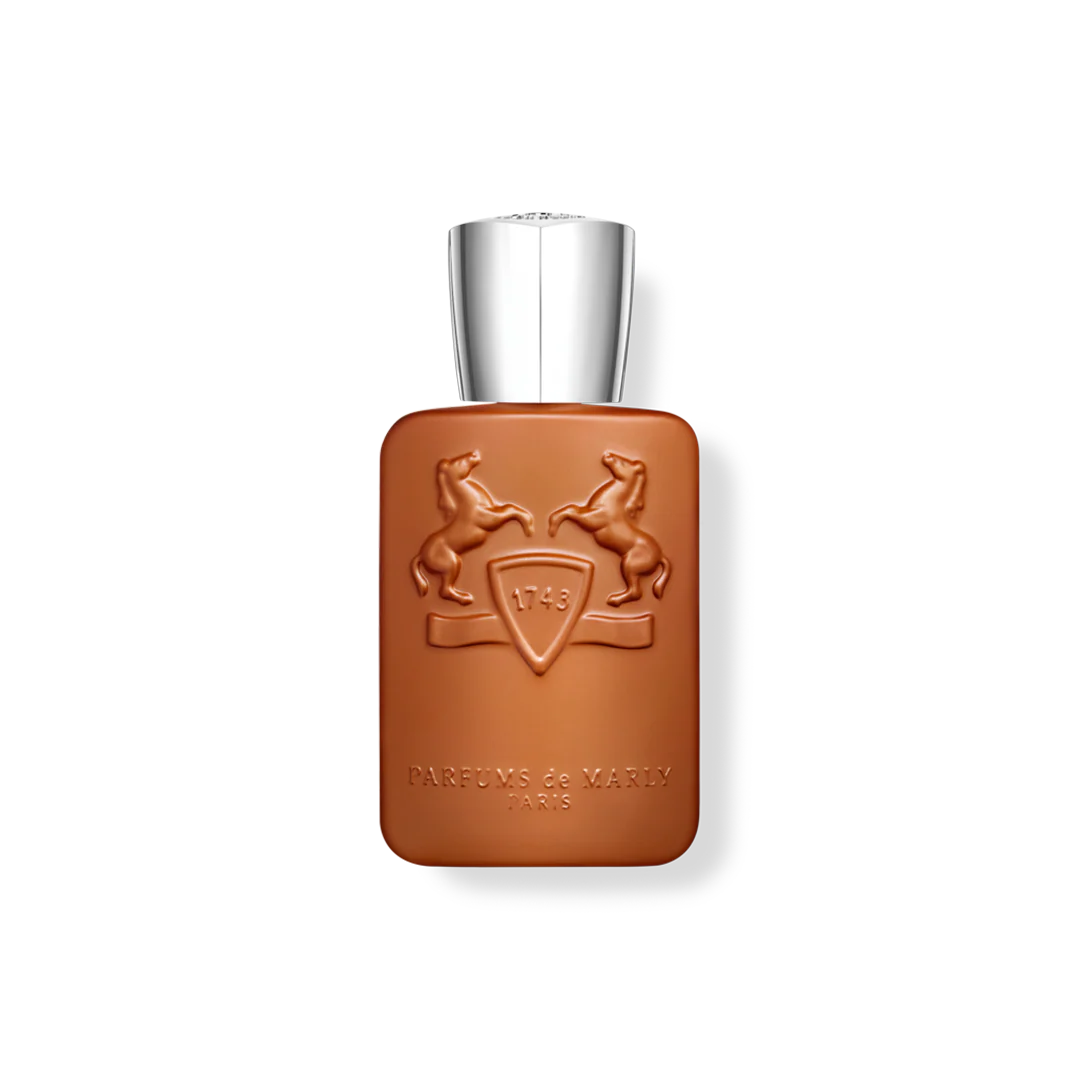
Parfums de Marly
Estimated 2025 Revenue – $200 Million
Projected 2026 Revenue – $250 Million
Just three years ago, Parfums de Marly was on my radar. It seemed a private equity firm would be an ideal match, particularly after the prior interest in Byredo. Six months later, Advent International made the investment. Now, Advent is considering offloading this asset, eyeing a valuation that could exceed $2 billion. High perfumery, represented by names like Amouage and Ex Nihilo, continues to thrive, and under Advent’s stewardship, Parfums de Marly has expanded beyond its flagship scent Delina, enhancing its attractiveness to prospective buyers.
Westman Atelier
Estimated 2025 Revenue – $80 Million
Projected 2026 Revenue – $100 Million
Westman Atelier stands out among makeup brands still favored by buyers. Their strategic decision to engage with bankers only last year coupled with previous discreet discussions with conglomerates has kept them in a favorable position. Estée Lauder Companies has previously shown interest, having made an early bid. L’Oréal appears keen as well, particularly since Gucci Westman, the brand’s founder, previously held an esteemed role at Lancôme. Private equity firms are also circling the brand, which has showcased impressive performance at Sephora and occupies a coveted niche in luxury beauty.
The brand has ample growth potential; it hasn’t yet tapped into the Asian or Middle Eastern markets. Additionally, co-founders Westman and David Neville are methodical in their decision-making, ensuring careful navigation into skincare expansion and profitability drives.
Amika
Estimated 2025 Revenue – $260 Million
Estimated 2026 – $315 Million
Amika is well-positioned as the popular professional haircare brand that has recently expanded into Ulta Beauty. While there can be concerns over market overlap, Ulta’s extensive operations and salon offerings are beneficial for hair care brands. Early reports suggest positive outcomes.
Prior to entering Ulta, Amika had already established dominance with its Perk Up dry shampoo, claiming the title of the top prestige dry shampoo on the market. The brand also leads in the mask segment with its Soul Food line, showcasing its strength in styling products.
Amika, like many body-focused brands, seems better suited for acquisition by healthier conglomerates like Unilever and Procter & Gamble, rather than private equity. I anticipate the brand exceeding expectations.
Saltair
Estimated 2025 Revenue – $100 Million
Projected 2026 Revenue – $150 Million
Ben Bennett and his accelerator, The Center, have a knack for identifying promising ventures. Following the success of Naturium and Phlur, Saltair, a bodycare line in partnership with model Iskra Lawrence, appears to be their next big hit. In July, the brand appointed Rachel Shelowitz as CEO and Erin Sale as CMO, essential moves as it transitions from The Center’s support to independent operations.
The bodycare category is thriving and Saltair provides an elevated alternative for consumers seeking better options than mainstream brands like Dove or Aveeno. Their presence in Target is substantial, indicating strong market appeal. Procter & Gamble and Unilever are likely buyers, with Procter & Gamble having an edge due to its successful partnership with Ouai. Vennette Ho from Raymond James is backing Saltair, making it a likely deal in the next 18 months.
Salt & Stone
Estimated 2025 Revenue – $140 Million
Projected 2026 Revenue – $160 Million
For enthusiasts of Byredo or Aesop, Salt & Stone provides an appealing offering. This brand boasts a diverse product line, including body washes, lotions, and deodorants, all infused with premium fragrances. Its $20 deodorant has earned a significant following, contributing to a robust business despite the highly competitive landscape dominated by mass brands. For buyers seeking entry into the prestige segment, Salt & Stone offers an intriguing case study. While private equity involvement is more likely, conglomerates are also interested, especially as they navigate the challenging economics of shower gels, an area notorious for slim margins. Don’t overlook the support of Vennette Ho.
Not Your Mother’s
Estimated 2025 Revenue – $250 Million
Projected 2026 Revenue – $300 Million
Not Your Mother’s continues to attract the haircare customer willing to invest a bit more in high-quality styling products. Since its launch in 2010 by Rocky and Bethany Pagliarulo with just six offerings, its portfolio has grown impressively. There’s considerable room for development within its wash product line, as the brand has yet to explore the shampoo and conditioner categories.
Although there have been discussions about selling the brand in previous years, it secured investment from private equity firm Main Post Partners in 2019, which seems to have enhanced its market position. According to the recent Taking Stock of Teens survey by Piper Sandler, this brand is ranked a close second to Amika.
Aroma-Zone
Estimated 2025 Revenue – $300 Million
Projected 2026 Revenue – $330 Million
Aroma-Zone is a European favorite that has garnered significant attention. Famed for its natural formulations and minimalist aesthetic, this brand has achieved remarkable financial performance. Reports suggest it has reached $100 million in earnings before interest, taxes, depreciation, and amortization. Although it has yet to penetrate the US market, this presents both an opportunity and a risk for potential buyers. European investors have their sights set on Aroma-Zone, with a projected deal value of around $2 billion.